
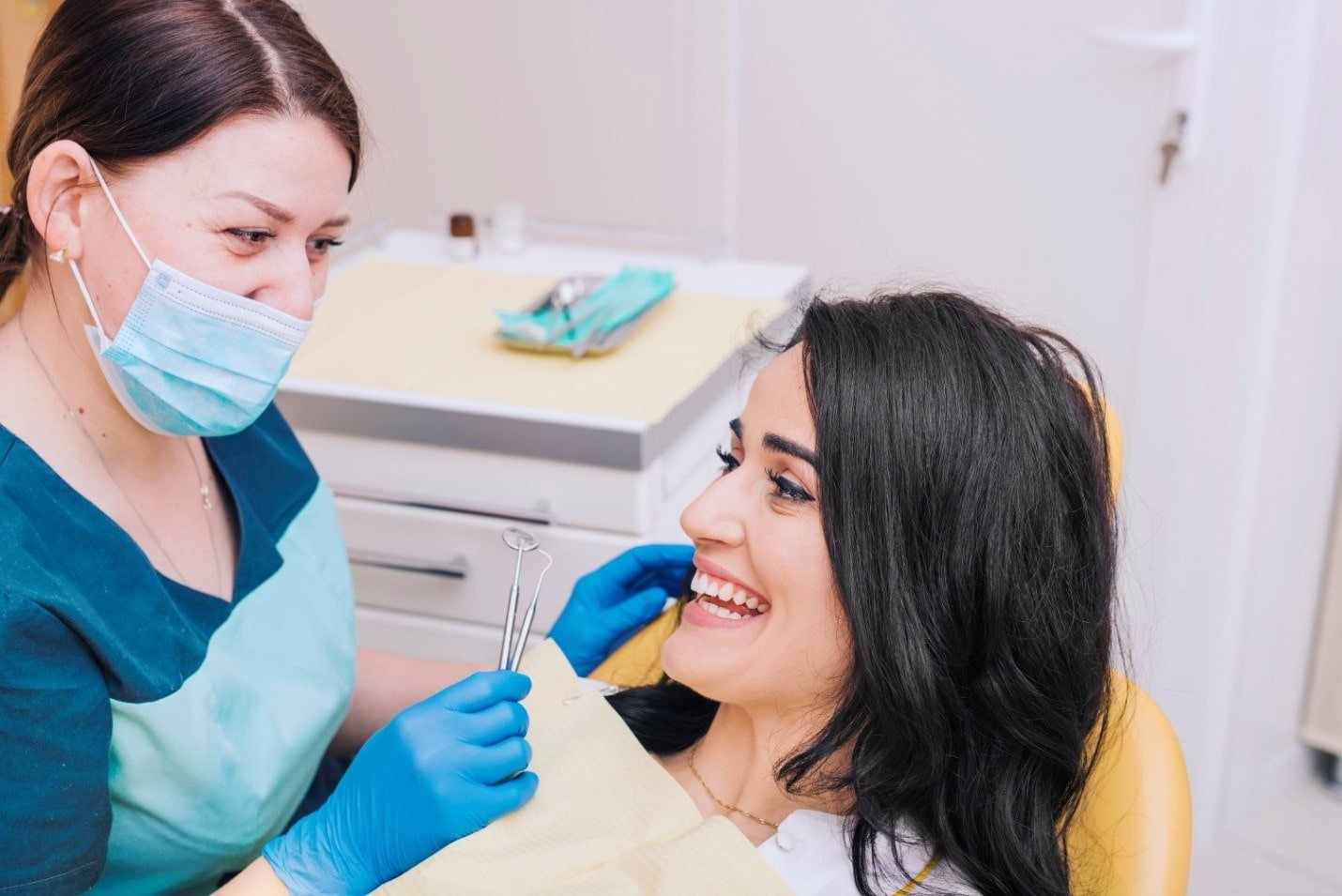
How Smile Design Can Correct Gaps, Crooked Teeth, and More
A confident smile holds the power to reshape first impressions, elevate self-esteem, and enhance overall facial harmony. Yet, many people hesitate to smile freely because of imperfections such as gaps, crowding, uneven tooth shapes, or misalignment. These issues are more common than most realize and often develop due to genetics, habits during childhood, or natural wear and tear over time. Thankfully, modern dentistry has advanced significantly, offering a specialized approach called smile design—a method that blends science, artistry, and digital technology to transform the appearance and functionality of the smile.
Smile design goes beyond traditional cosmetic treatments. Instead of focusing on a single concern, it looks at the entire smile—teeth, gums, lips, and facial characteristics—to create a balanced, harmonious, and natural-looking result. Whether someone struggles with crooked teeth, unwanted gaps, dull coloration, or uneven proportions, smile design provides a comprehensive solution tailored to their unique needs.
In this blog, we will explore how smile design works, the imperfections it can address, and why it has become a popular choice for those seeking a complete smile transformation.
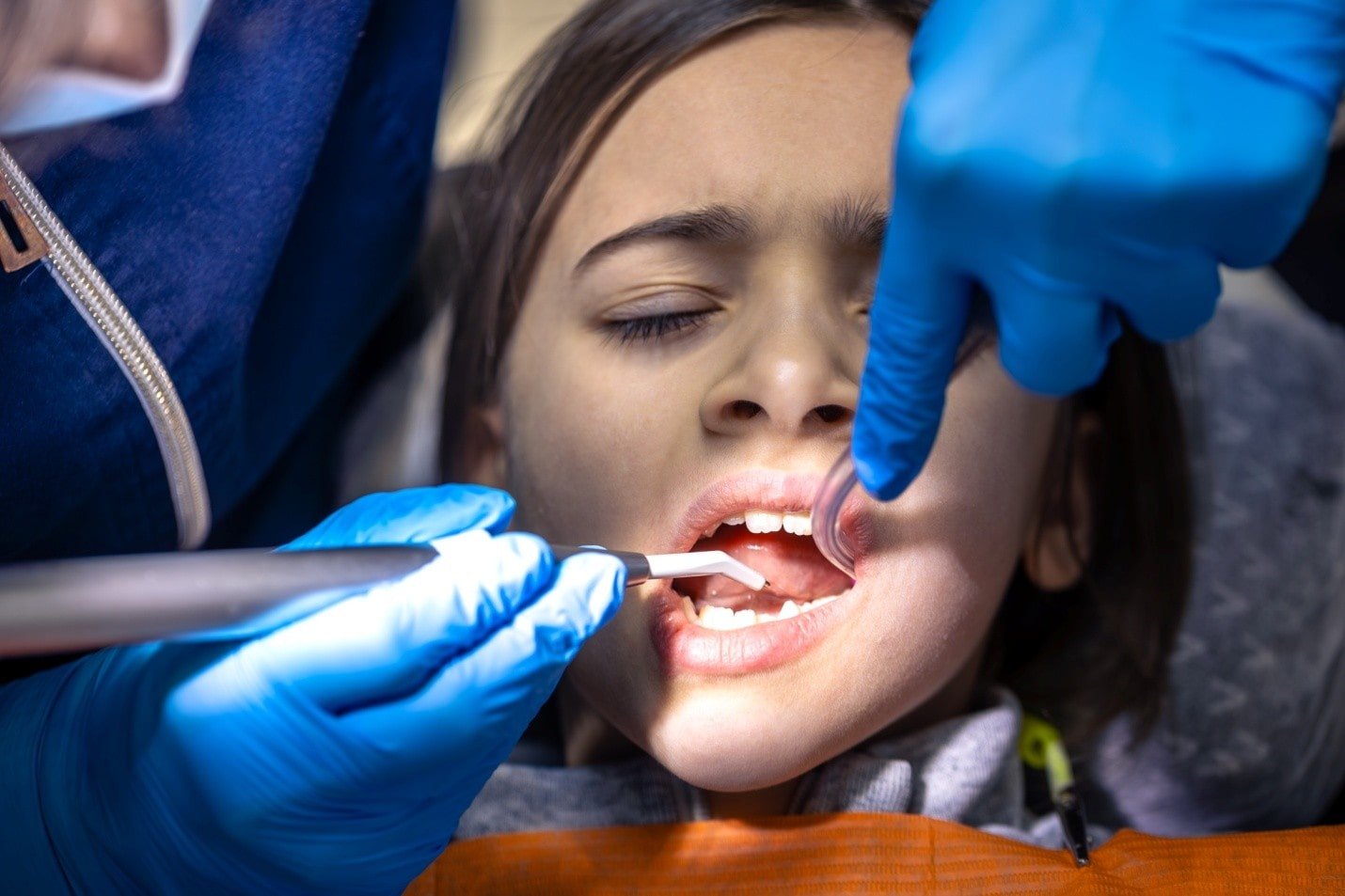

Understanding Smile Design: A Blend of Art and Technology
Smile design is not just a procedure—it is a personalized treatment plan that enhances both
aesthetics and oral functionality. Dentists use digital imaging, photographs, facial
measurements, and mock-ups to analyze the facial structure and determine the best possible
smile outcome. This ensures that the final result appears natural and complements the
person’s unique features.
A successful smile design focuses on:
- Tooth shape and size
- Alignment and spacing
- Gum contours
- Bite relationship
- Lip movement during speech and smiling
- Overall facial symmetry
By examining these elements together, a dentist can recommend a combination of treatments that work harmoniously to achieve the best results.
Common Dental Imperfections Smile Design Can Correct
Smile design aims to address a wide range of imperfections that affect both appearance and oral health. Below are the most common issues it can resolve:
1. Gaps Between Teeth (Diastema)
Gaps may appear between one or several teeth and can result from genetic spacing issues, missing teeth, or smaller-than-average teeth. While some people embrace a gap as part of their identity, others feel self-conscious.
Smile design can correct gaps through:
- Veneers: Thin shells placed over the teeth to close small to moderate spaces.
- Bonding: Tooth-colored resin to subtly reshape teeth and eliminate small gaps.
- Orthodontics: Clear aligners or braces to move teeth into ideal positions.
No matter the method, the goal is to close the gap in a natural-looking way that enhances symmetry and balance.
2. Crooked or Misaligned Teeth
Crooked teeth are one of the most common reasons people seek smile improvement. They can affect chewing, brushing efficiency, and confidence. Smile design offers several solutions based on the degree of misalignment.
Treatments often used include:
- Aligners or braces for long-term correction
- Veneers for mild alignment issues
- Contouring and reshaping to make teeth appear more aligned
Through digital planning, dentists can show how the teeth will look after treatment, making the transformation predictable and aesthetically pleasing.
3. Uneven or Misshapen Teeth
Some teeth may appear shorter, longer, pointier, or worn down due to grinding or natural development. These variations can disrupt the harmony of the smile.
Smile design corrects them by:
- Lengthening short teeth
- Softening pointed edges
- Evening out asymmetrical shapes
- Replacing worn enamel with aesthetic materials
The result is a smoother, more proportionate appearance.
4. Discoloration or Stained Teeth
Even with good hygiene, teeth can lose their brightness over time due to lifestyle choices, aging, or certain medications. Smile design can restore natural whiteness through:
- Professional whitening
- Veneers for deeper stains
- Composite bonding for minor discoloration
The focus is always on achieving a shade that looks bright yet natural.
5. Worn-Down Teeth
Years of chewing, grinding, or acid wear can cause enamel thinning, flat edges, and tooth sensitivity. Worn teeth not only affect appearance but also reduce bite strength.
Smile design helps rebuild lost structure with:
- Crowns
- Veneers
- Bonding
These restorations improve function while enhancing visual appeal.
6. Gum Issues Affecting Smile Aesthetics
Gums play a major role in the overall aesthetic of the smile. Too much gum showing (a “gummy smile”) or uneven gum lines can make teeth appear shorter or disproportionate.
Smile design can correct gum concerns through:
- Contouring to reshape uneven gum lines
- Reducing excessive gum display
- Restoring gum symmetry
A well-balanced gum line can dramatically enhance tooth appearance.
7. Tooth Size Discrepancies
Sometimes, one or more teeth may appear unusually small or larger than others. This inconsistency affects smile harmony.
Smile design addresses size issues by:
- Adding structure to small teeth
- Reshaping larger teeth
- Creating proportional alignment
This results in a more unified and aesthetically pleasing look.
8. Chips and Cracks
Minor chips and cracks may not always cause pain, but they can disrupt the smooth appearance of the smile. Through bonding, veneers, or crowns, smile design restores the natural shape and prevents further damage.
How Smile Design Works: Step-by-Step Process
A professional smile design typically follows a structured approach to ensure accuracy and predictability.
1. Consultation and Assessment
A detailed examination is conducted to understand concerns and expectations. Digital photographs, x-rays, and 3D scans are often used for evaluation.
2. Smile Analysis
The dentist studies facial proportions, lip movements, gum visibility, and tooth characteristics.
3. Digital Smile Simulation
Advanced software creates a visual preview of the potential outcome, allowing individuals to see how their smile may look after treatment.
4. Treatment Planning
A combination of treatments may be recommended based on dental health, aesthetic goals, and structural needs.
5. Implementation
The selected procedures are carried out in stages, ensuring comfort, precision, and natural-looking results.
6. Final Adjustments and Smile Reveal
Minor refinements are made before the final transformation is complete.
Why Smile Design Is More Than Cosmetic
While smile design significantly enhances appearance, it also contributes to better oral health. Correcting misaligned teeth improves bite efficiency, reduces enamel wear, and helps maintain cleaner teeth. Fixing gaps and crowding lowers the risk of gum disease. Restoring damaged or worn teeth helps prevent further structural issues.
A well-designed smile supports:
- Better chewing function
- Reduced strain on the jaw
- Improved oral hygiene
- Long-term dental stability
Thus, smile design is both an aesthetic and functional solution.
Boosting Confidence Through a Beautiful Smile
Many individuals experience a noticeable boost in confidence after undergoing smile design. A smile that feels natural, balanced, and bright can positively impact social interactions, professional presence, and self-image. When someone is no longer worried about hiding gaps, crooked teeth, or stains, they are more likely to smile freely and express themselves with confidence.
Conclusion
Smile design is a transformative approach that blends technology, artistry, and dental expertise to correct issues like gaps, crooked teeth, uneven shapes, discoloration, worn enamel, and gum irregularities. By addressing the full picture rather than individual problems, it enhances both aesthetics and oral health. Whether the concern is minor spacing or a complete smile makeover, smile design offers tailored solutions that create harmony, balance, and natural beauty. With a personalized plan and carefully chosen treatments, anyone can achieve a smile that reflects their personality, boosts confidence, and supports long-term dental wellness.