
Can PRP Therapy Replace Botox and Fillers?
In the world of aesthetic and anti-aging treatments, few topics generate as much curiosity as the comparison between PRP therapy and injectables like Botox and dermal fillers. As people increasingly seek natural-looking results and minimally invasive solutions, platelet-rich plasma (PRP) therapy has gained widespread attention. Often described as a regenerative treatment, PRP uses the body’s own healing mechanisms to rejuvenate the skin. This naturally raises an important question: can PRP therapy truly replace Botox and fillers, or do these treatments serve different purposes?
Understanding the differences between these approaches is essential for making informed decisions about skin rejuvenation. While Botox and fillers have long been used to smooth wrinkles and restore volume, PRP therapy focuses on improving overall skin quality by stimulating collagen and tissue repair. Rather than offering an instant cosmetic fix, PRP aims to enhance the skin gradually and naturally.
This blog explores how PRP therapy works, how it compares to Botox and fillers, and whether it can truly serve as a replacement—or if it functions better as a complementary option.
Understanding PRP Therapy
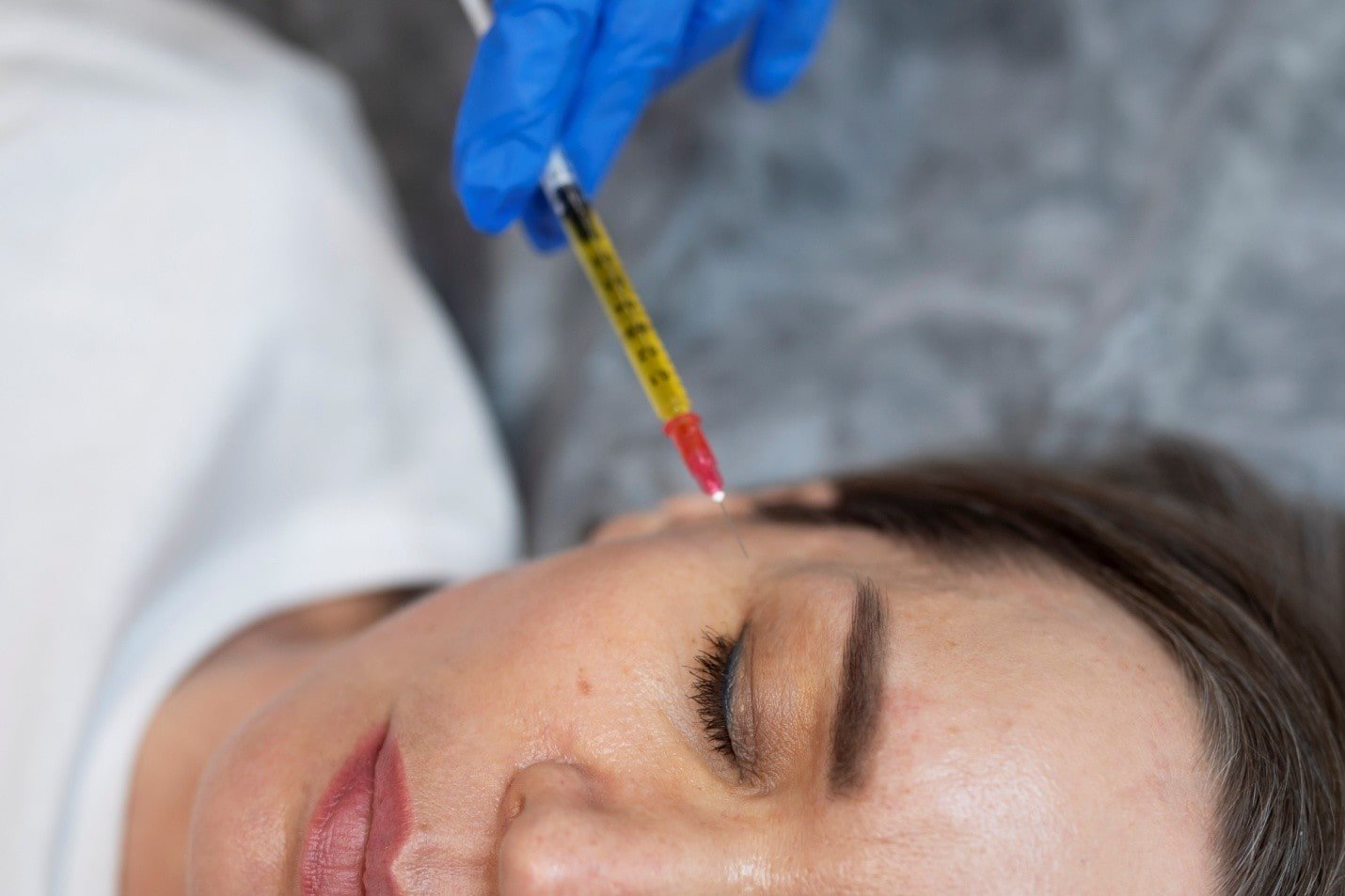
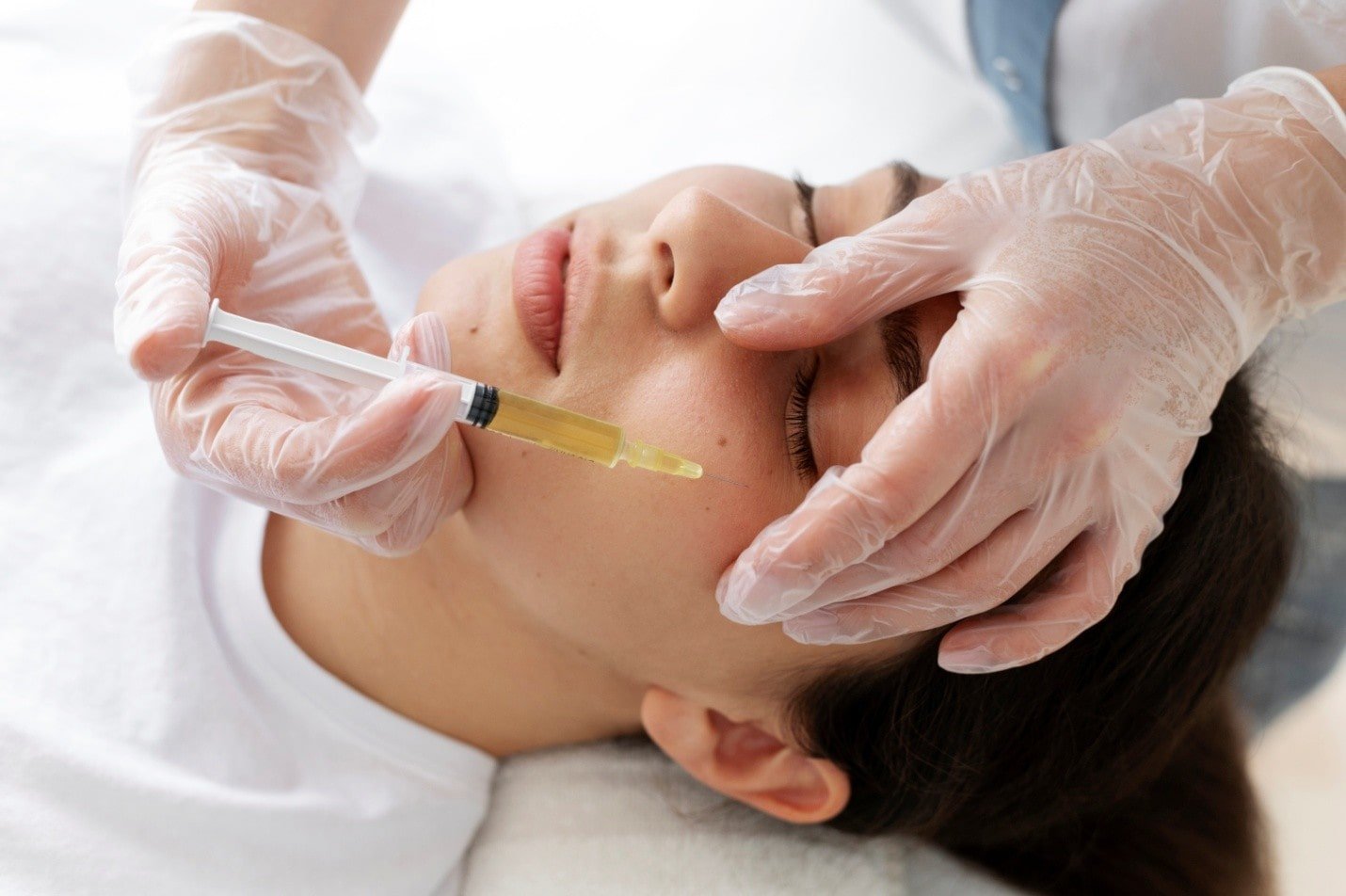
PRP therapy involves using a concentrated form of platelets derived from a person’s own blood. Platelets are rich in growth factors that play a key role in healing and tissue regeneration. When applied or injected into the skin, PRP stimulates collagen production, improves circulation, and enhances cellular renewal.
The process typically involves drawing a small amount of blood, separating the platelets through centrifugation, and applying or injecting the platelet-rich plasma into targeted areas of the skin. Because PRP uses the body’s own biological material, it is often regarded as a natural approach to skin rejuvenation.
PRP is commonly used to address concerns such as:
- Fine lines and early signs of aging
- Dull or uneven skin tone
- Loss of elasticity
- Acne scars and mild textural irregularities
- Under-eye darkness or crepey skin
Rather than altering facial expressions or adding artificial volume, PRP works by improving the skin from within.
How Botox Works
Botox is a neuromodulator derived from botulinum toxin. It works by temporarily relaxing targeted facial muscles that cause expression lines, such as frown lines, forehead wrinkles, and crow’s feet. By limiting muscle movement, Botox smooths dynamic wrinkles that form due to repetitive facial expressions.
The effects of Botox are typically noticeable within a few days and last for several months. It is especially effective for wrinkles caused by muscle activity rather than skin laxity or volume loss.
Botox is commonly used to treat:
- Forehead lines
- Frown lines between the eyebrows
- Crow’s feet around the eyes
- Neck bands
While Botox is highly effective for these concerns, it does not improve skin texture, tone, or collagen levels.
How Dermal Fillers Work
Dermal fillers are injectable substances designed to restore lost volume, smooth deep wrinkles, and enhance facial contours. Most fillers are made from hyaluronic acid, a substance naturally found in the skin that helps maintain hydration and volume.
Fillers are often used to:
- Add volume to cheeks and lips
- Fill deep folds such as nasolabial lines
- Improve under-eye hollows
- Contour the jawline and chin
Unlike PRP, fillers provide immediate volume and structural support. However, they do not stimulate long-term collagen production to the same extent as regenerative treatments.
PRP vs. Botox: Key Differences
PRP therapy and Botox address aging in fundamentally different ways.
PRP focuses on:
- Enhancing skin quality
- Stimulating collagen and elastin
- Improving tone, texture, and elasticity
- Supporting natural regeneration
Botox focuses on:
- Relaxing facial muscles
- Reducing dynamic wrinkles
- Preventing expression lines from deepening
PRP does not freeze muscles or alter facial movement, making it appealing to those who prefer subtle, natural-looking results. However, it does not provide the same immediate smoothing effect on expression lines that Botox offers.
PRP vs. Fillers: Key Differences
PRP and fillers also serve different roles in aesthetic care.
PRP:
- Improves skin health gradually
- Enhances firmness and glow
- Reduces fine lines and improves texture
- Uses the body’s own healing factors
Fillers:
- Restore lost volume instantly
- Lift and contour facial features
- Fill deep wrinkles and folds
- Provide immediate structural change
PRP does not replace volume in areas where fat loss has occurred, which is where fillers remain effective. Instead, PRP improves the overall condition of the skin covering those areas.
Can PRP Replace Botox and Fillers Completely?
The answer depends largely on individual skin concerns and goals. PRP therapy is not a direct replacement for Botox or fillers in every situation.
PRP may be sufficient for individuals who:
- Have early signs of aging
- Want to improve skin quality naturally
- Prefer gradual, subtle results
- Are concerned about skin texture, dullness, or mild laxity
However, Botox may still be more suitable for:
- Deep expression lines
- Wrinkles caused by muscle movement
Similarly, fillers may be necessary for:
- Significant volume loss
- Deep facial folds
- Structural contouring
Rather than replacing Botox and fillers entirely, PRP often serves as an alternative for some concerns and a complementary option for others.
The Role of PRP in Preventive Aging
One of PRP therapy’s strengths lies in preventive care. By stimulating collagen early, PRP can help slow the visible signs of aging before deeper wrinkles and volume loss develop. This makes it appealing to individuals in their late twenties to forties who want to maintain skin health without dramatic changes.
PRP improves:
- Skin resilience
- Natural radiance
- Long-term firmness
This preventive approach can reduce the future need for more aggressive treatments.
Combining PRP with Other Treatments
In many cases, PRP is used alongside Botox or fillers rather than instead of them. This combination approach addresses multiple layers of aging:
- PRP improves skin quality and texture
- Botox smooths expression lines
- Fillers restore lost volume
Used together strategically, these treatments can create balanced, natural-looking results without overcorrection.
Safety and Recovery Considerations
PRP therapy is generally well tolerated because it uses the patient’s own blood. Common side effects are mild and temporary, such as redness, swelling, or slight bruising at the treatment site.
Botox and fillers are also considered safe when administered properly, though they involve synthetic or laboratory-derived substances and carry their own set of temporary side effects.
PRP typically requires little to no downtime, while Botox and fillers may cause mild swelling or bruising for a few days.
Results Timeline: What to Expect
PRP results develop gradually over several weeks as collagen production increases. Improvements continue with repeated sessions.
Botox results appear faster, usually within days, while filler results are visible immediately.
The choice between these treatments often depends on whether someone prefers instant results or gradual, regenerative improvement.
Choosing the Right Approach for Your Skin
The best treatment option depends on:
- Age and skin condition
- Type of wrinkles or concerns
- Desired outcome (subtle vs. immediate)
- Preference for natural or structural solutions
PRP therapy appeals to those who value skin health and natural rejuvenation, while Botox and fillers remain effective tools for targeted correction.
Conclusion
PRP therapy offers a powerful, natural approach to skin rejuvenation by stimulating collagen production and enhancing overall skin quality. While it can significantly improve texture, tone, and early signs of aging, it does not completely replace Botox or fillers for everyone. Botox remains effective for dynamic wrinkles, and fillers continue to play an important role in restoring volume and facial contours. Rather than viewing these treatments as competitors, they are best understood as different tools designed to address different aspects of aging. Choosing the right option—or combination—depends on individual skin needs, goals, and preferences, making informed decision-making essential for achieving balanced, natural-looking results.